

Birdwatching, or birding, is a captivating hobby that connects us with the natural world. From the vibrant flash of a cardinal to the soaring majesty of a bald eagle, the avian world in the United States offers a dazzling array of species. However, for beginners, and even seasoned nature enthusiasts, distinguishing between these feathered inhabitants can feel like a daunting task.
Fortunately, there’s a practical and effective method for identifying birds: the 5 S's – Shape, Shade, Size, Sound, and Space. By systematically observing these key characteristics, you can significantly enhance your bird identification skills and deepen your appreciation for the diverse birdlife across the American landscape.
1. Shape: The Silhouette Story
The overall shape or silhouette of a bird is often the first clue to its identity. Before you even notice its color or size in detail, the way a bird is built – its body proportions, wing shape, tail length and shape, and even its posture – can narrow down the possibilities considerably.

- Body Shape: Is the bird slender and streamlined like a swallow , or stout and round like a robin ? Consider the relative proportions of the head, body, and tail. For instance, raptors like hawks and eagles tend to have broad wings and powerful bodies, while songbirds exhibit a greater variety of body shapes, from the petite bushtit to the more substantial towhee. Waterfowl also have distinctive body shapes adapted for swimming, such as the flattened bodies and often low profiles of ducks versus the longer necks and more upright postures of geese.
- Wing Shape and Size: Wing shape is crucial for understanding a bird's flight style and can be a strong indicator of its ecological niche. Long, pointed wings are typical of birds that require speed and agility in flight, such as swallows, swifts , and falcons . Broader, rounded wings are characteristic of birds that soar or glide, like vultures and many hawks. The relative size of the wings compared to the body is also important. Birds with long wings relative to their body size are often strong fliers, while those with shorter wings may be more adapted for maneuvering in dense vegetation.
- Tail Shape and Length: The tail acts as a rudder during flight and its shape and length can vary dramatically between species. Long, flowing tails are seen in birds like the American kestrel (male) and some long-tailed ducks. Forked tails are characteristic of swallows and terns , while square tails are common in many songbirds. Wrens often hold their short tails cocked upwards, a distinctive posture.

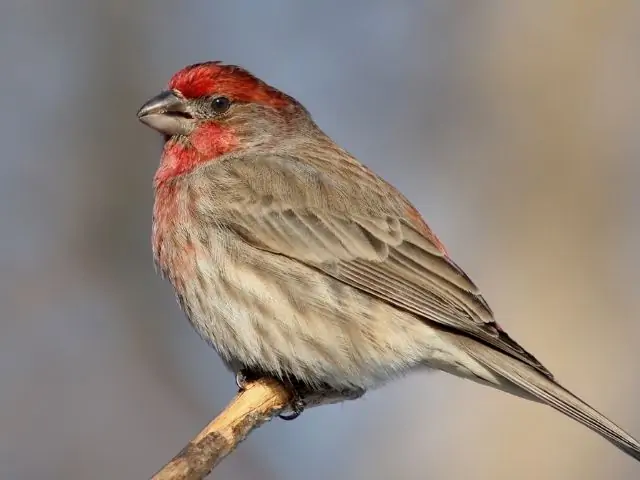
- Bill Shape and Size: While technically a part of the head shape, the bill is such a specialized tool that it deserves separate consideration within the "Shape" category. A thick, conical bill is well-suited for cracking seeds, as seen in sparrows and finches . Long, slender bills are useful for probing flowers for nectar (hummingbirds ) or searching for insects in bark (woodpeckers ). Hooked bills are the hallmark of raptors, designed for tearing flesh. Observing the bill shape can provide significant clues about a bird's diet and feeding habits.
2. Shade: Beyond Just Color
While vibrant colors often grab our attention, focusing on the overall shade and pattern of a bird can be a more reliable initial step in identification, especially in varying light conditions or at a distance. Instead of just noting "red" or "blue," consider the specific hue and its distribution.
- Overall Impression: Is the bird predominantly dark, like a crow or a grackle ? Is it pale overall, like a gull or a snowy egret ? Getting a general sense of the bird's overall darkness or lightness can help you quickly eliminate many possibilities.
- Patches and Streaks: Pay attention to any distinct patches of color or streaking patterns. A yellow patch on the wing might indicate a goldfinch , while vertical streaking on the breast is common in many sparrows and thrushes . Look for eye stripes, wing bars (stripes across the wing), and rump patches, as these are often key field marks.
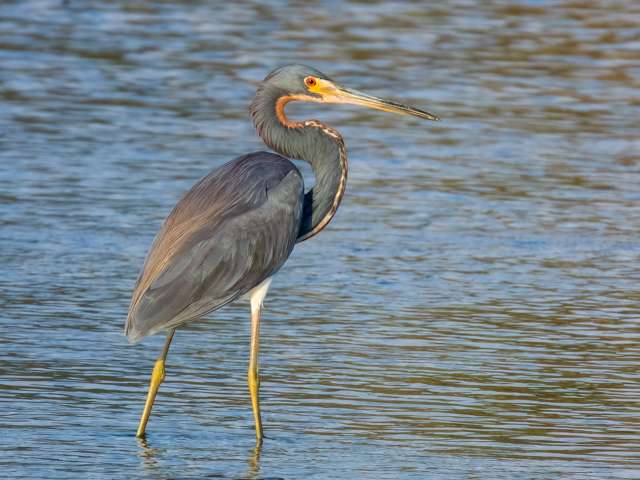
- Contrast: Note areas of high contrast in coloration. The sharp black and white pattern of a black-and-white warbler is a distinctive feature. Similarly, the contrasting head patterns of many warblers can be crucial for identification.
- Subtle Variations: Even within a seemingly monochromatic bird, subtle variations in shade can be important. For example, distinguishing between different species of brown creepers might rely on slight differences in the shade and pattern of their underparts.
3. Size: Relative Comparisons
Estimating a bird's size accurately can be challenging, but comparing it to familiar birds can be a helpful strategy. Think in terms of common reference points:
- Sparrow-sized: Many small songbirds, like house sparrows and chipping sparrows , fall into this size category.
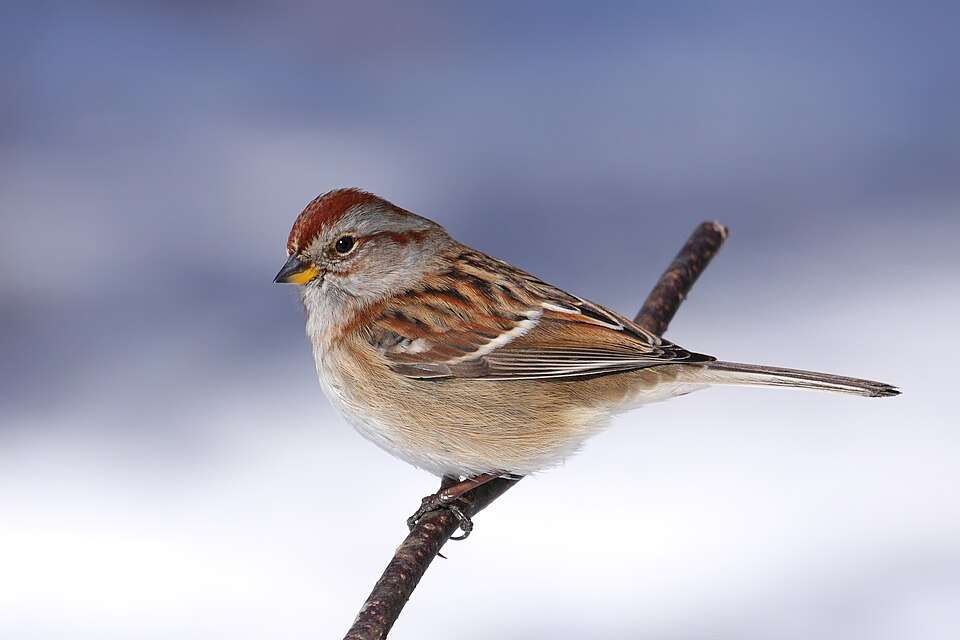
- Robin-sized: American robins are a familiar medium-sized bird that can serve as a good benchmark.
- Crow-sized: Crows provide a larger reference point for birds like ravens and some hawks.
- Larger than a Crow: This category includes large raptors like eagles and vultures, as well as larger waterfowl like geese and swans .
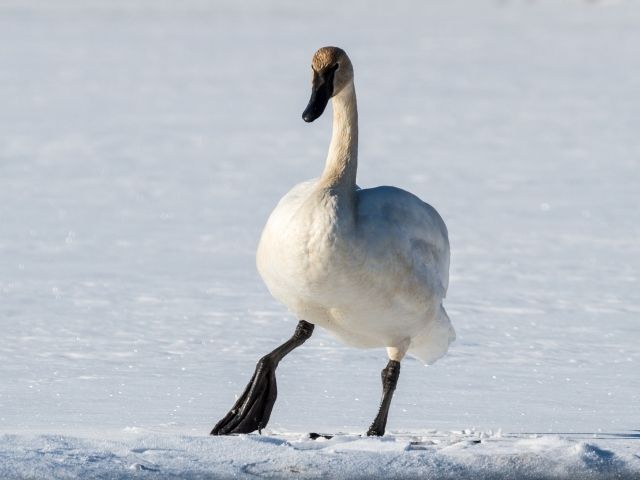
When describing size, also consider its relative proportions. Is it a small bird with a long tail, or a small bird with a stout body? Is it a large bird with a short neck, or a large bird with a long, graceful neck?
4. Sound: The Auditory Landscape
Birds are often heard before they are seen, and their sounds – songs and calls – can be incredibly diagnostic. Learning to recognize common bird sounds can significantly increase your identification success.
- Song: Birdsong is typically a more complex and often musical vocalization, usually associated with attracting mates or defending territory. Each species has its own repertoire of songs, which can range from the melodious warbles of a wood thrush [Audio of Wood Thrush song] to the repetitive calls of a whip-poor-will. Pay attention to the pitch, rhythm, and quality of the song. Are there distinct phrases? Is it a continuous trill? Online resources and field guides often provide audio recordings of bird songs.
- Call: Calls are usually shorter and simpler vocalizations used for a variety of purposes, such as alarm, communication between flock members, or contact between parents and young. Common calls include chips, chirps, whistles, and squawks. For example, the sharp "caw-caw" of an American crow is easily recognizable, as is the "chick-a-dee-dee-dee" call of a black-capped chickadee.
- Other Sounds: Some birds produce non-vocal sounds that can aid in identification. The drumming of woodpeckers is a distinctive sound, as is the whirring of hummingbird wings.

Learning bird sounds takes time and practice, but it's a rewarding aspect of birding. Start by focusing on the most common birds in your area and gradually expand your auditory vocabulary.
5. Space: Habitat and Behavior
The space or habitat where you observe a bird, as well as its behavior, can provide crucial clues about its identity. Birds are often adapted to specific environments and exhibit characteristic behaviors.
- Habitat: Where are you seeing the bird? Is it in a forest, a grassland, a marsh, a backyard feeder, or along the coast? Different habitats attract different bird species. For example, you're more likely to find a wood warbler in a forest, a bobolink in a meadow , a great blue heron near water , and a house finch at a feeder .
- Feeding Behavior: How is the bird feeding? Is it pecking at seeds on the ground, gleaning insects from leaves, catching insects in flight, probing flowers for nectar, or hunting fish? A woodpecker clinging to a tree trunk and drilling for insects has a very different feeding behavior than a swallow swooping through the air to catch insects.
- Flight Pattern: How does the bird fly? Is its flight direct and rapid, undulating, or soaring? Vultures often soar in circles on thermals, while woodpeckers have an undulating flight pattern. The way a bird takes off and lands can also be distinctive.
- Social Behavior: Is the bird solitary, in a small group, or part of a large flock? Some species are typically seen alone or in pairs, while others form large flocks, especially during migration or in winter.
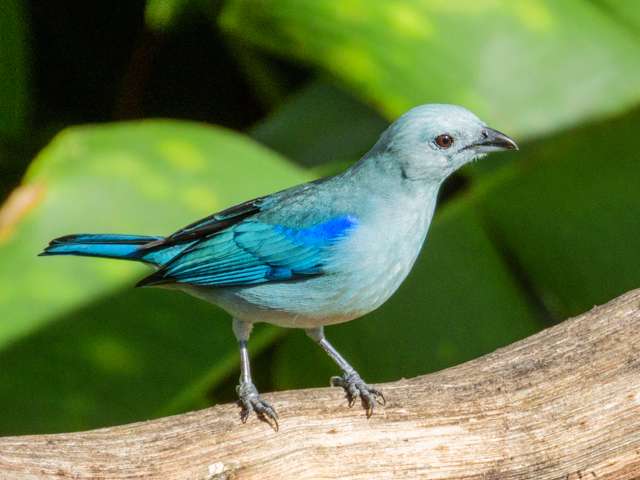
Putting It All Together: A Birding Example
Let's say you spot a medium-sized bird in your backyard near a bird feeder in the eastern United States.
- Shape: It has a fairly stout body, a conical bill, and a moderately long tail.
- Shade: It's mostly brown with darker streaks on its breast and back. You notice some faint wing bars.
- Size: It's slightly smaller than a robin.
- Sound: You hear a series of cheerful, musical chirping notes.
- Space: It's feeding on sunflower seeds at your feeder.
Based on these observations, you can start to narrow down the possibilities. The conical bill suggests a seed-eating bird. The brown streaky plumage and size point towards a sparrow or finch. The location at a feeder and the cheerful song are consistent with the House Finch , a common visitor to bird feeders across North America.
Wrapping Up
Mastering bird identification is a journey that involves keen observation and a gradual accumulation of knowledge. By consistently applying the 5 S's – Shape, Shade, Size, Sound, and Space – you can develop a more systematic and effective approach to identifying the diverse and fascinating birdlife of the United States.
Remember to be patient, persistent, and to enjoy the process of discovery as you unlock the secrets of the avian world around you.
Utilize field guides, online resources, and local birding groups to further enhance your skills and deepen your connection with nature. Happy birding!
For further help, check out our post on bill sizes and shapes.
The Tools of Survival: How Bird Bill Shapes Reveal Their Secrets
