

For the American birder, the "Borderlands" of Arizona and Texas represent a sort of hallowed ground. These are the places where the familiar maps of North American field guides begin to fray at the edges, and the vibrant, tropical biodiversity of Central America spills over into the United States.
The year 2026 has already proven to be an extraordinary vintage for "vagrants"—birds that appear far outside their normal range. Whether driven by shifting climate patterns, seasonal "overshooting" during migration, or simply a "wandering spirit," these rare visitors have turned local canyons and coastal parks into high-stakes treasure hunts for birdwatchers across the country.
The Flame-Colored Star of Miller Canyon
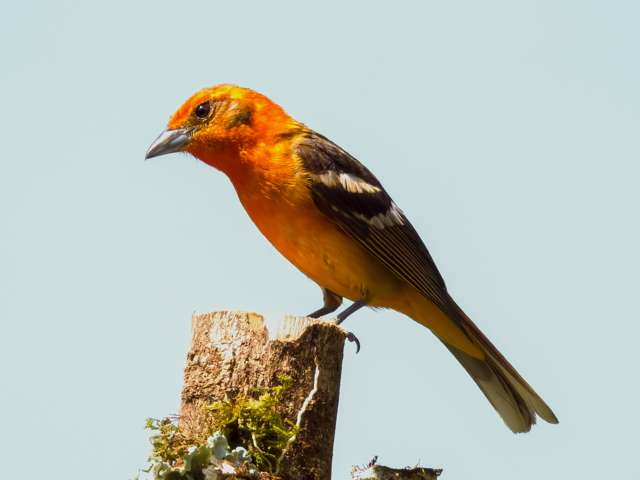
The current epicenter of birding excitement is undoubtedly Miller Canyon in the Huachuca Mountains of Southeastern Arizona. As of April 2026, the canyon has played host to a spectacular Flame-colored Tanager (Piranga bidentata).
Typically found from the mountain forests of Mexico down through Panama, this species is a "mega-rarity" in the U.S. The male is a sight to behold: a pulsing, saturated orange-red plumage with distinct dark wing bars and white spots on its back—a "flame" that stands out vividly against the green canopy of the Arizona sycamores.
What makes the Miller Canyon sighting particularly fascinating is the bird's persistence. Miller Canyon is legendary for its biodiversity, often referred to as a "sky island" where the high altitude provides a cool refuge similar to Central American cloud forests. The Flame-colored Tanager seen here recently isn't just a passerby; it has been holding territory in the steep, rugged terrain, drawing hundreds of birders equipped with spotting scopes and high-end glass.
Pro Tip for Chasers: The trail in Miller Canyon is beautiful but steep. If you’re heading there this month, the bird has been most active in the early morning hours, often vocalizing near the upper creek beds.
Beyond Arizona: The 2026 Vagrant Wave
While the tanager is the current headliner, 2026 has seen a broader influx of Central and South American species pushing northward. Ornithologists are noting a distinct trend: species once considered accidental are now becoming almost annual visitors.
1. The Rise of the Yellow-headed Caracara
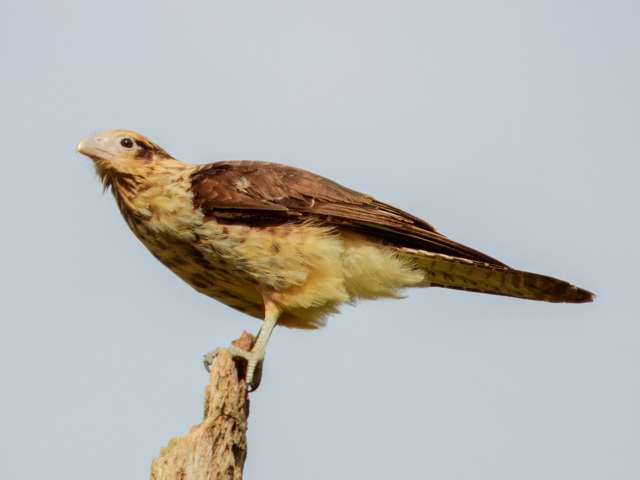
Perhaps the most significant expansion story of 2026 is the Yellow-headed Caracara. Historically, this pale, opportunistic raptor was rarely seen north of Guatemala. However, this year has seen a series of stunning records across the southern U.S., including sightings in Texas, Florida, and even California.
Experts suggest that the clearing of dense forests in Central America has created more of the "open country" habitat these caracaras prefer, acting as a northern highway for the species. Unlike many shy vagrants, the caracara is bold and adaptable, often found near agricultural lands or even urban industrial parks.
2. The Cuban Pewee in the Dry Tortugas
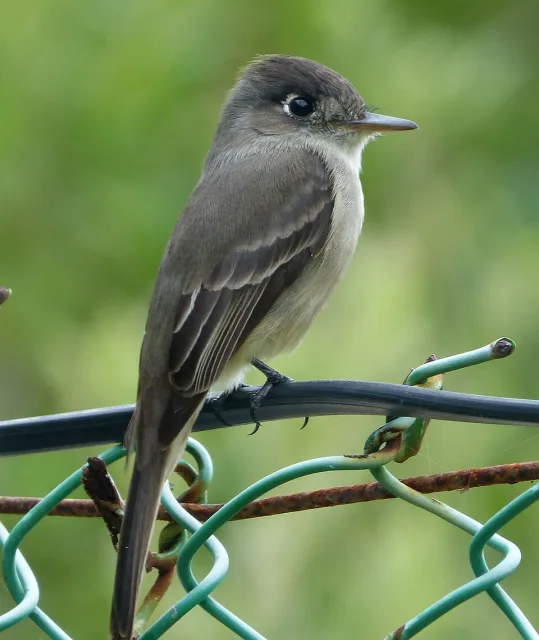
Further east, the Dry Tortugas National Park in Florida—a legendary "trap" for migrants—produced a Cuban Pewee in mid-April. While Cuba is only 90 miles from Key West, this flycatcher remains an elusive prize for ABA (American Birding Association) listers. Its presence highlights how even a slight shift in wind patterns during spring migration can deliver a Caribbean gem to U.S. soil.
3. Tropical Flycatchers in South Texas
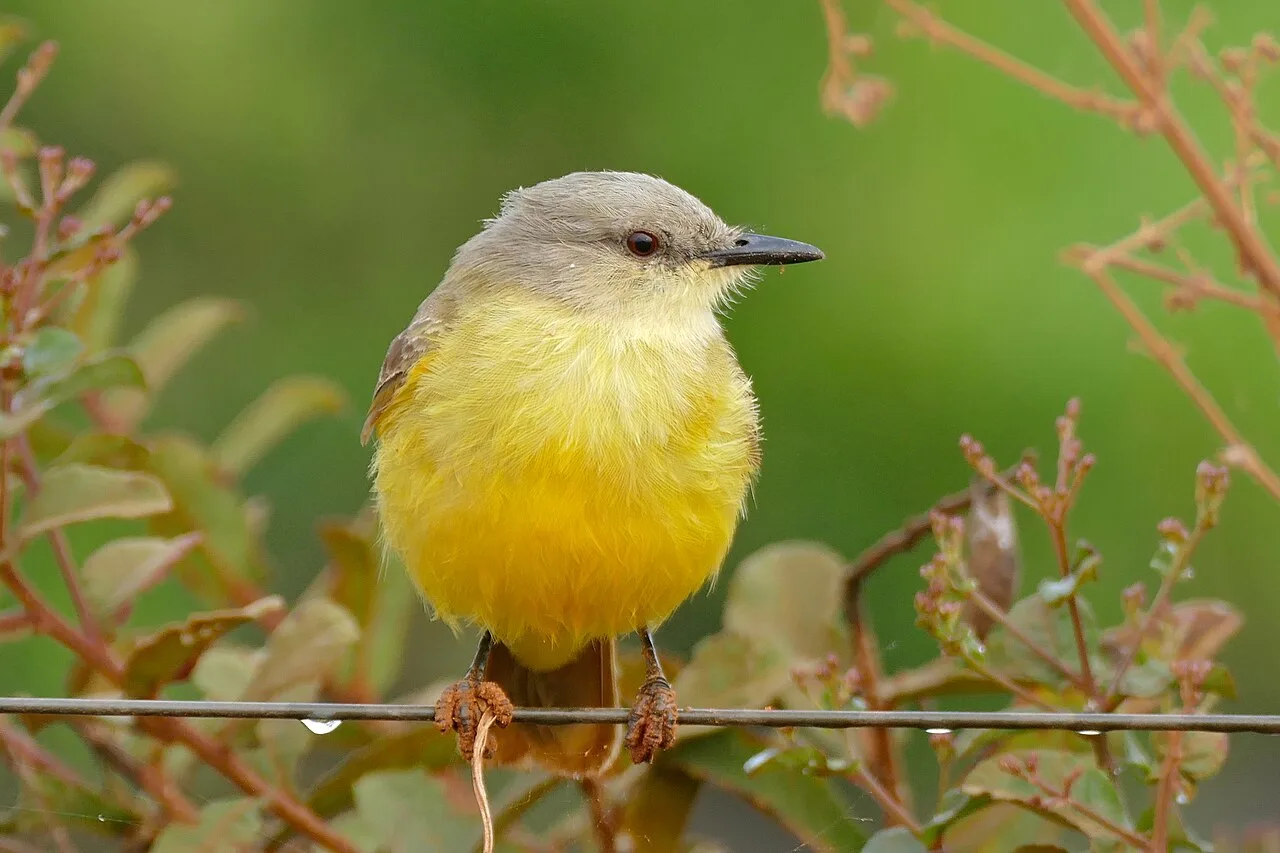
The Rio Grande Valley remains the undisputed king of vagrancy. This spring, sightings of Cattle Tyrants and Brown Jays have continued to thrill. Notably, the Brown Jay—a species that had nearly vanished from the U.S. for decades—has been reported nesting in South Texas this year, sparking hopes of a permanent recolonization of their former northern range.
Why Do They Stray?
The phenomenon of "vagrancy" is one of the most debated topics in avian science. Why would a bird fly thousands of miles off course? There are three primary theories currently being explored in 2026:
Mirror-Image Misorientation: Some young birds possess a genetic "glitch" that causes them to migrate in the exact opposite direction of their peers (e.g., flying north when they should go south).
Weather Events: Strong tropical storms or shifting jet streams can "entrain" birds, physically pushing them across the Gulf of Mexico or the Mexican plateau into the U.S.
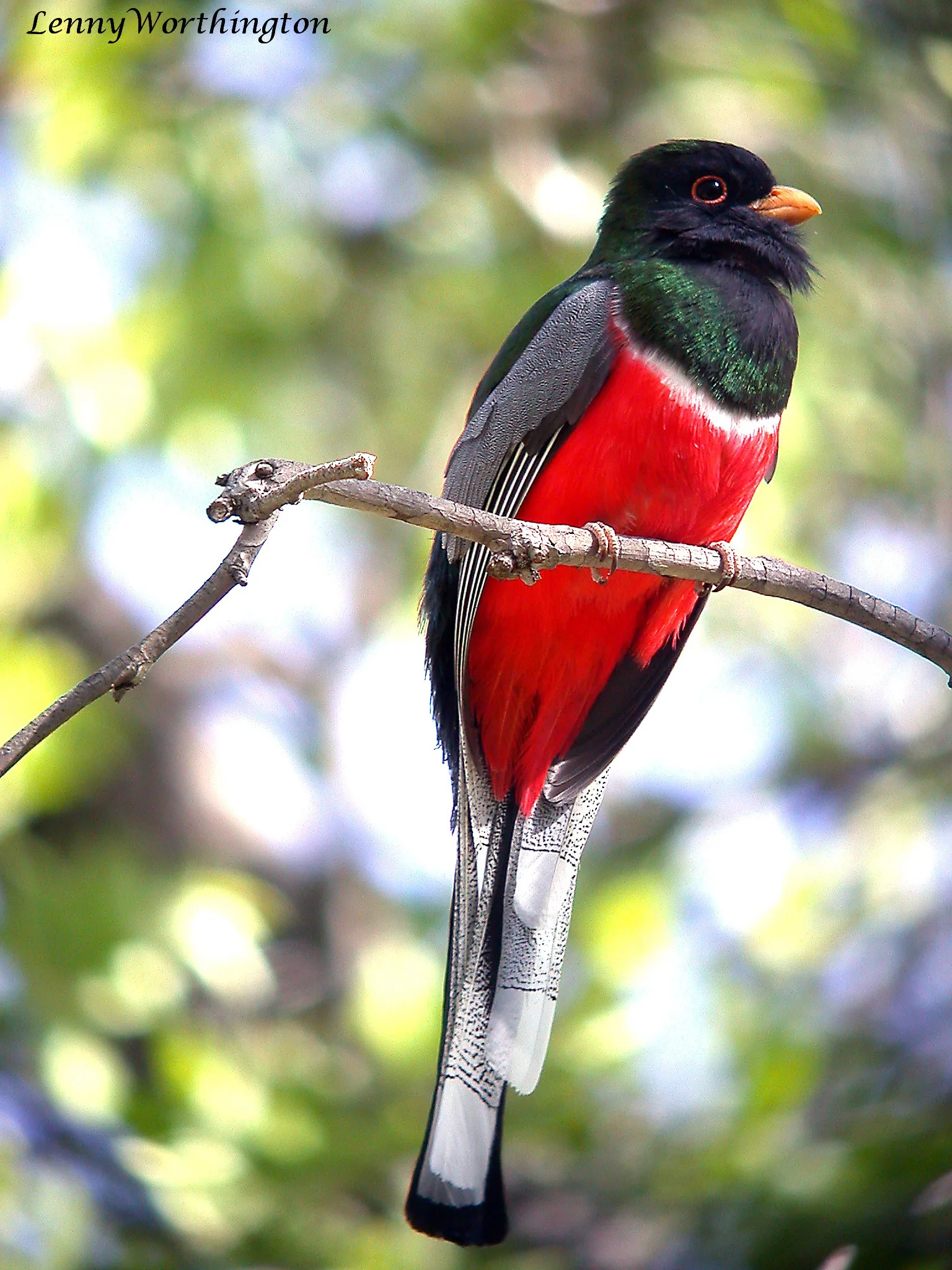
Climate & Habitat Expansion: As temperatures rise and northern habitats begin to mimic the subtropical zones of Central America, birds like the Elegant Trogon or the Thick-billed Kingbird find the U.S. borderlands increasingly hospitable.
Recent Sightings: A 2026 Snapshot
| Bird Species | Location | Date Noted | Rarity Level |
| Flame-colored Tanager | Miller Canyon, AZ | April 2026 | Mega (5/5) |
| Yellow-headed Caracara | Miami, FL / Texas | Jan - April 2026 | High (4/5) |
| Cuban Pewee | Dry Tortugas, FL | April 2026 | High (4/5) |
| Waved Albatross | Off California Coast | January 2026 | Extreme (5/5) |
| Thick-billed Kingbird | Los Angeles, CA | March 2026 | Rare (3/5) |
Conclusion
The sightings of 2026 remind us that nature is never static. The presence of a Flame-colored Tanager in an Arizona canyon or a caracara in a Florida marsh is a vivid reminder of our connectivity to the tropics. For those willing to grab their binoculars and head to the border, the next few months promise to be some of the most exciting in recent birding history. Keep your eyes on the canopy—you never know when a splash of tropical color might land in your own backyard.
