
Every February, the world turns its eyes to the skies, shrubs, and bird feeders for the Great Backyard Bird Count (GBBC). In 2026, this four-day global event reached staggering new heights, proving that the collective power of community science is one of our most potent tools for conservation. From the frozen suburban yards of Ontario to the lush, biodiversity-rich forests of Colombia, over 1.1 million participants joined forces to document the birds in their backyards and beyond.
The 2026 results are more than just a list of sightings; they are a vital heartbeat monitor for the planet’s avian populations.
Record-Breaking Numbers
The final tally for 2026 revealed a world deeply engaged with nature. Despite challenging weather conditions in many northern regions, the data highlights a growing global community:
| Metric | 2026 Final Results | Change from 2025 |
| Species Identified | 8,257 | +179 species |
| Total Participants | ~1,146,284 | Significant Increase |
| Checklists Submitted | 467,696 | +20% |
| Countries Represented | 216 | Stable |
| Merlin Bird IDs | 1,239,329 | Record High |
Scientists estimate there are between 10,000 and 11,000 known bird species worldwide. The fact that GBBC participants successfully documented over 8,200 of them in just four days is an incredible feat of global teamwork.
Global Leaders in Biodiversity
While the United States, India, and Canada led the charge in terms of the total volume of checklists, the "species race" highlighted the incredible natural wealth of Central and South America.
Colombia: Reclaimed its crown as the "Mecca of Bird Diversity," reporting a record-breaking 1,376 species.
Brazil: Jumped to the second spot globally with 1,145 unique species, showcasing the critical importance of the Amazon and Atlantic Forest regions.
India: Continued its explosive growth in participation, documenting 1,089 species. The state of West Bengal alone reported 525 species, demonstrating the immense biodiversity found within the Indian subcontinent.
In the United States, the count was led by California, Florida, and Texas. These states consistently provide a high species count due to their varied ecosystems and role as key stopover points for migratory birds.
India: The Urban Trio
India saw a massive 102% increase in Merlin Bird ID submissions this year. The most commonly reported species were primarily those that have successfully adapted to human-dominated landscapes:
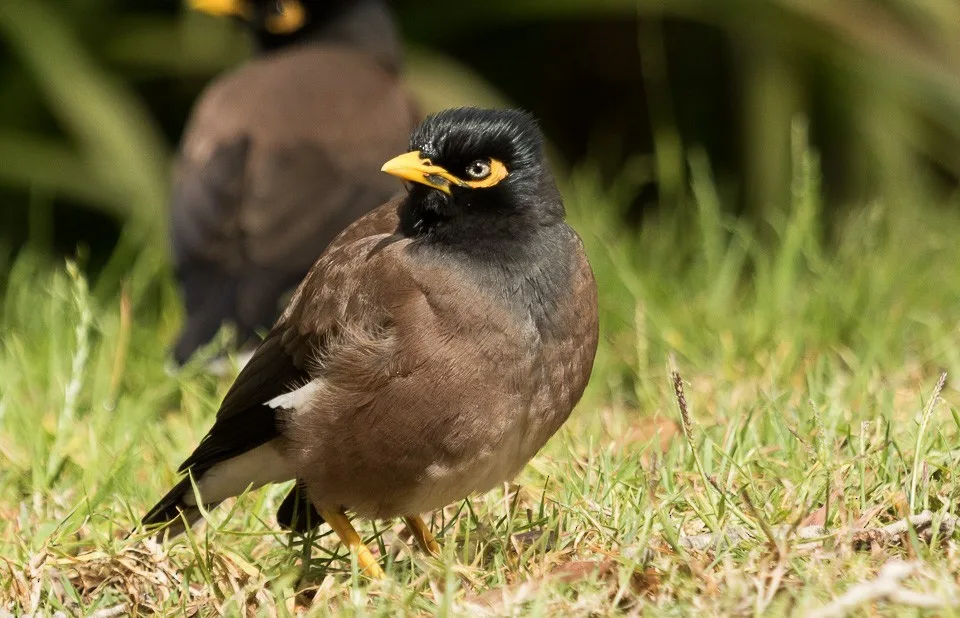
Common Myna: Maintaining its spot as the most ubiquitous bird in Indian checklists, found in almost every urban and rural setting.
Red-vented Bulbul: Highly visible across the country, though 2026 reports noted a slight, curious decline in some urban campuses like those in Andhra Pradesh.
Rose-ringed Parakeet: The most frequent "noisy neighbor," consistently appearing in the top three across most Indian states.
House Crow: A staple of the Indian urban environment, rounding out the most frequent sightings.
Colombia: The Diversity Leader
As the global leader in species count (1,376 species in 2026), Colombia’s "most common" birds are often those that thrive in the coffee-growing regions and the Andean foothills where birding activity is highest:
Rufous-collared Sparrow: Often called the "Copetón," this is the most common garden bird in the Andean highlands.

Saffron Finch: Frequently reported in open areas, parks, and around feeders.
Tropical Kingbird: A resilient flycatcher commonly seen perched on wires and fence posts throughout the country.
Blue-gray Tanager: Known locally as "Azulejo," this vibrant bird is a frequent visitor to fruit feeders in both rural and suburban areas.
Brazil: The Atlantic and Amazonian Mix
Brazil secured the second spot globally with 1,145 species. Its most reported birds reflect a mix of wide-ranging species and those common in the highly populated coastal regions:
Sayaca Tanager: A very common and social bird throughout eastern Brazil, often the first "colorful" bird a beginner learns to identify.
Southern Lapwing: A bold, ground-dwelling bird frequently found in parks, football fields, and pastures.
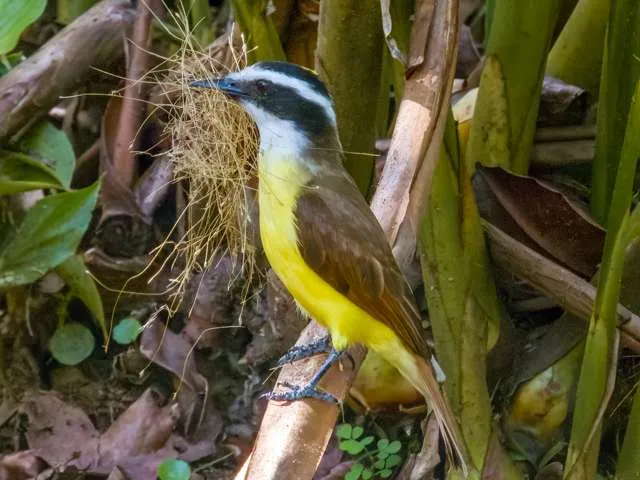
Great Kiskadee: Known for its loud "bem-te-vi" call, it is one of the most recognizable and frequently logged birds in Brazilian urban centers.

Great Kiskadee Bananaquit: A tiny, energetic bird that is a staple at nectar feeders and flowering shrubs across the country.
At a Glance: Top Species Comparison
| Country | Most Frequently Logged Species | Diversity Rank |
| Colombia | Rufous-collared Sparrow, Saffron Finch | #1 (1,376 Species) |
| Brazil | Sayaca Tanager, Southern Lapwing | #2 (1,145 Species) |
| India | Common Myna, Red-vented Bulbul | #4 (1,089 Species) |
Trends: Resilience in the Face of Weather
One of the most notable aspects of the 2026 count was the impact of "inclement" weather. Much of North America faced heavy snow and freezing temperatures during the count window. While this initially caused a dip in the hours spent outdoors, it led to a fascinating data trend: increased feeder activity.
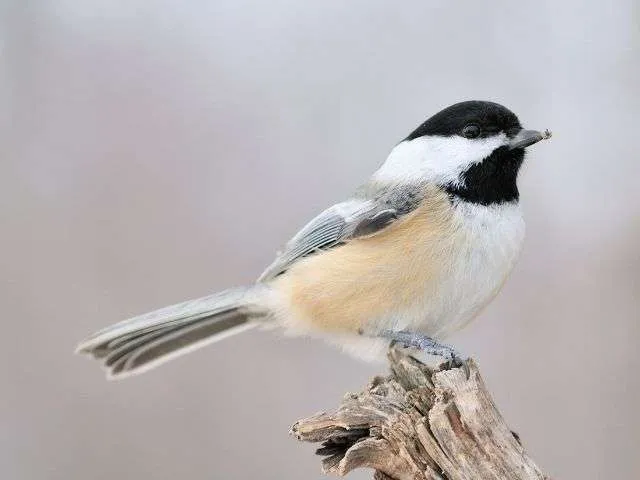
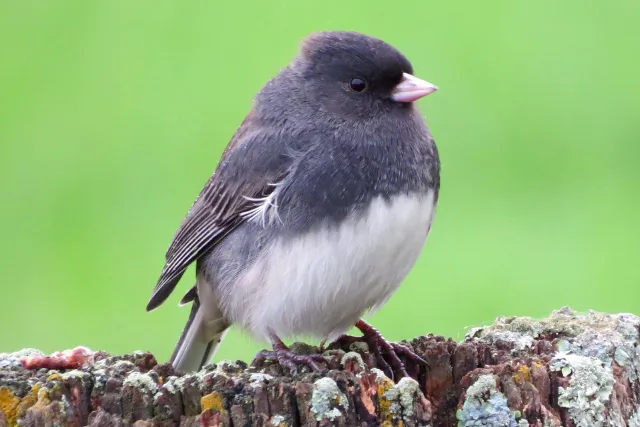
Birds like the Dark-eyed Junco, Northern Cardinal, and Black-capped Chickadee dominated the North American charts. When natural food sources are buried under snow, these resilient species flock to backyard feeders, making them easier for citizen scientists to count. Interestingly, the "New World Sparrow" category saw a spike in reports, suggesting that the snowy conditions made specific identification difficult for some, leading observers to log birds at the species-group level—a detail that still provides valuable data for researchers tracking winter bird distribution.
The "Merlin" Revolution

The 2026 results also underscored a shift in how we bird. The Merlin Bird ID app saw a massive surge in usage, with over 1.2 million identifications logged. This "digital lure" has lowered the barrier to entry for novice birders, allowing them to identify species via sound or photo instantly.
In countries like India and Canada, Merlin usage grew by over 80% compared to the previous year. This technological integration is transforming the GBBC from an expert-only endeavor into a truly democratic scientific movement. By helping beginners accurately identify what they see, the quality of the data improves, providing a clearer picture of bird health for organizations like the Cornell Lab of Ornithology and Audubon.
Why the Count Matters

Beyond the thrill of the "find," the GBBC serves a somber and necessary purpose. Recent studies have indicated that North America has lost nearly three billion birds since 1970—roughly one in four birds.
The data collected during these four days allows scientists to:
Track Range Shifts: As the climate warms, many species are moving further north or into higher altitudes earlier than expected.
Monitor Population Health: Sudden drops in common species can alert researchers to local environmental threats or disease outbreaks.
Inform Conservation Policy: Real-world data is the backbone of legislation aimed at protecting critical habitats and migratory flyways.
Final Thoughts
The 2026 Great Backyard Bird Count proved that while the world may often feel divided, the flight of a bird is a unifying force. Whether it was the sighting of a rare Gray-crowned Rosy-Finch in the US or the vibrant Snowy-throated Babbler in India, every checklist submitted in 2026 contributed to a global tapestry of conservation. It reminds us that our backyards are not just private spaces, but vital components of a massive, interconnected ecosystem that requires our attention and our protection.
